
23. September 2025
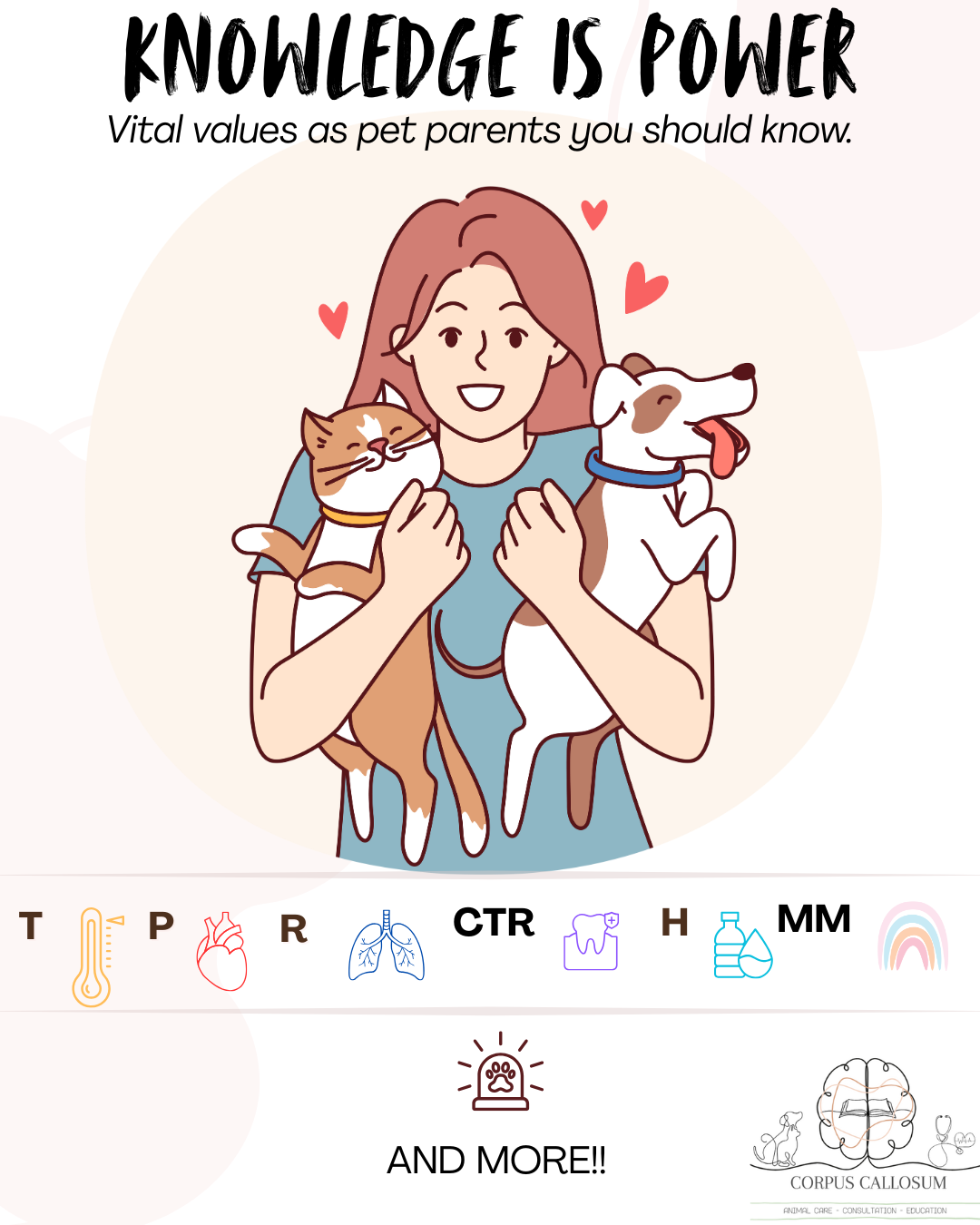
We often hear questions from pet parents like:
“How do I know if it’s urgent?”
“When should I act?”
“What do vets look for in an emergency?”
Let’s break it down step by step, so you can feel more confident spotting the signs.

10. August 2025
Life is expensive And Veterinary bills? They can feel like luxury expenses.
We know this because we live it every day.
As an RVT working in a clinic, even with my staff discount, I insure my pets—because I’ve seen how fast those numbers can climb.
18. June 2025
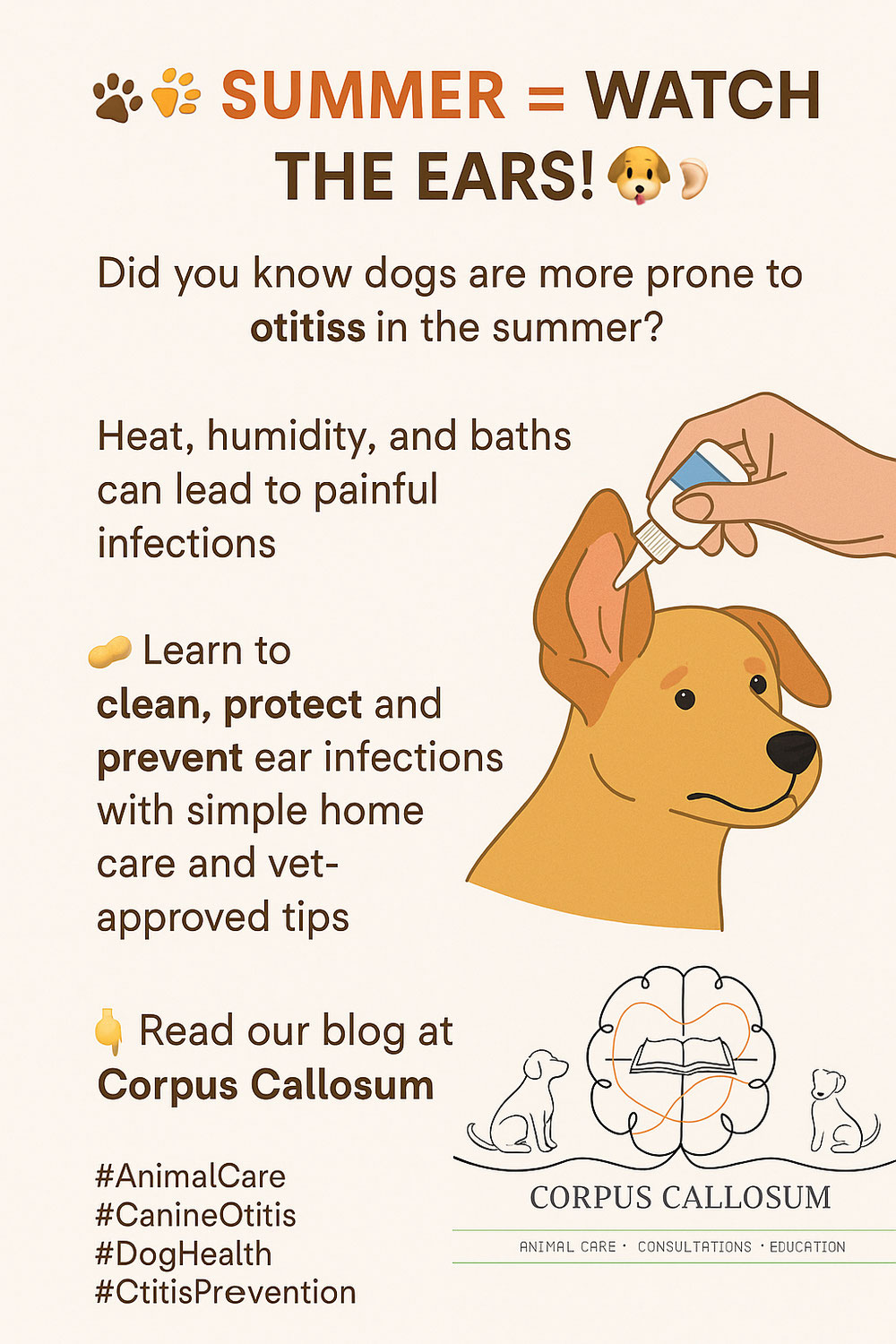
How to Prevent Otitis During the Summer
Prevention is key!
🐾 Summer fun should be stress-free for you and your pet.
With regular ear checks, appropriate cleaning routines, and preventative care, you can help your furry friend stay happy, healthy, and infection-free all season long.
29. May 2025
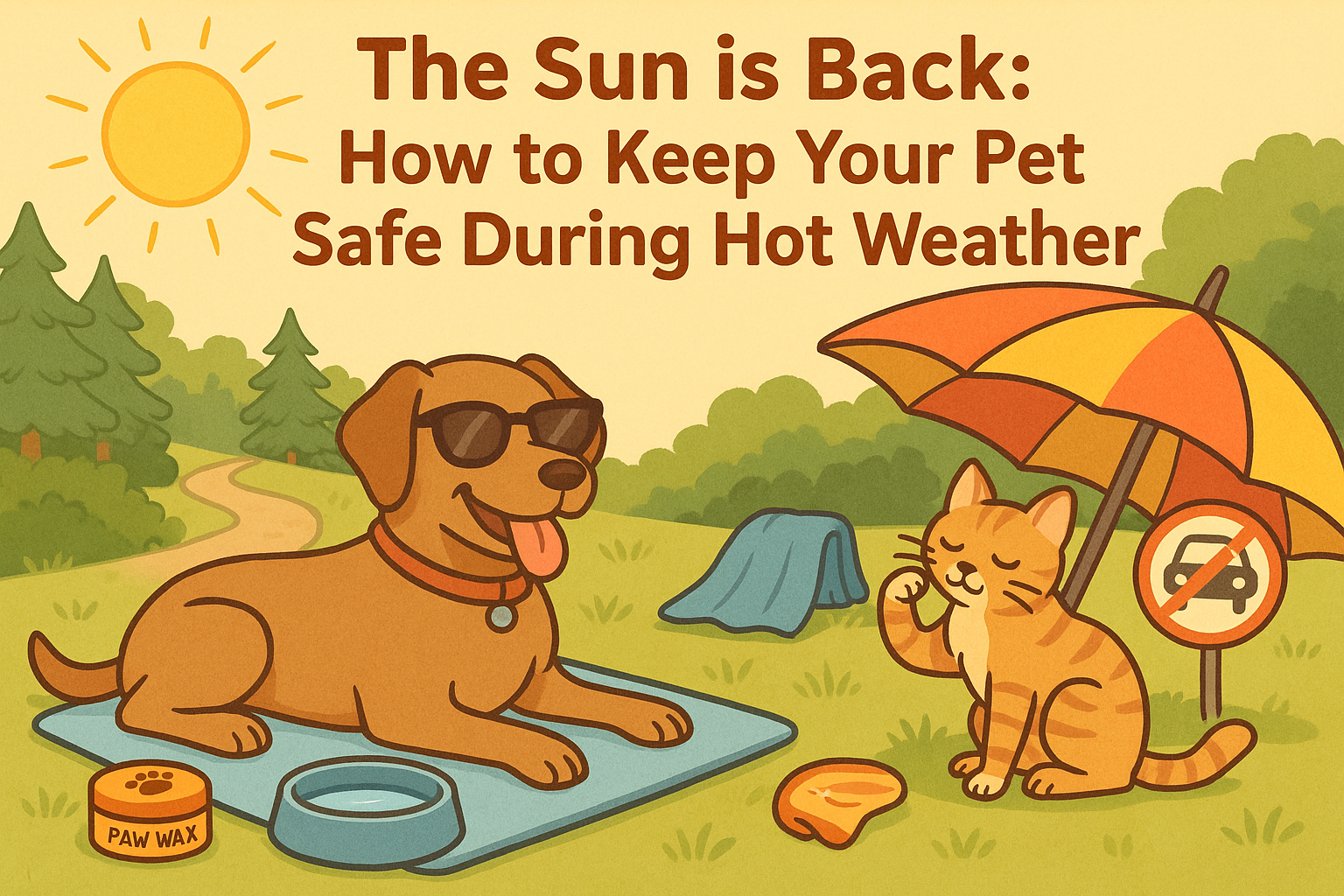
As summer temperatures soar, this blog offers essential, vet-approved tips to help pet owners keep their furry companions cool and safe. It covers how pets regulate heat differently from humans, the importance of breed and coat types in hot weather, and post-swim care to prevent infections. It also offers practical walking tips for hot days—like avoiding midday heat and protecting paws from hot pavement.
23. May 2025
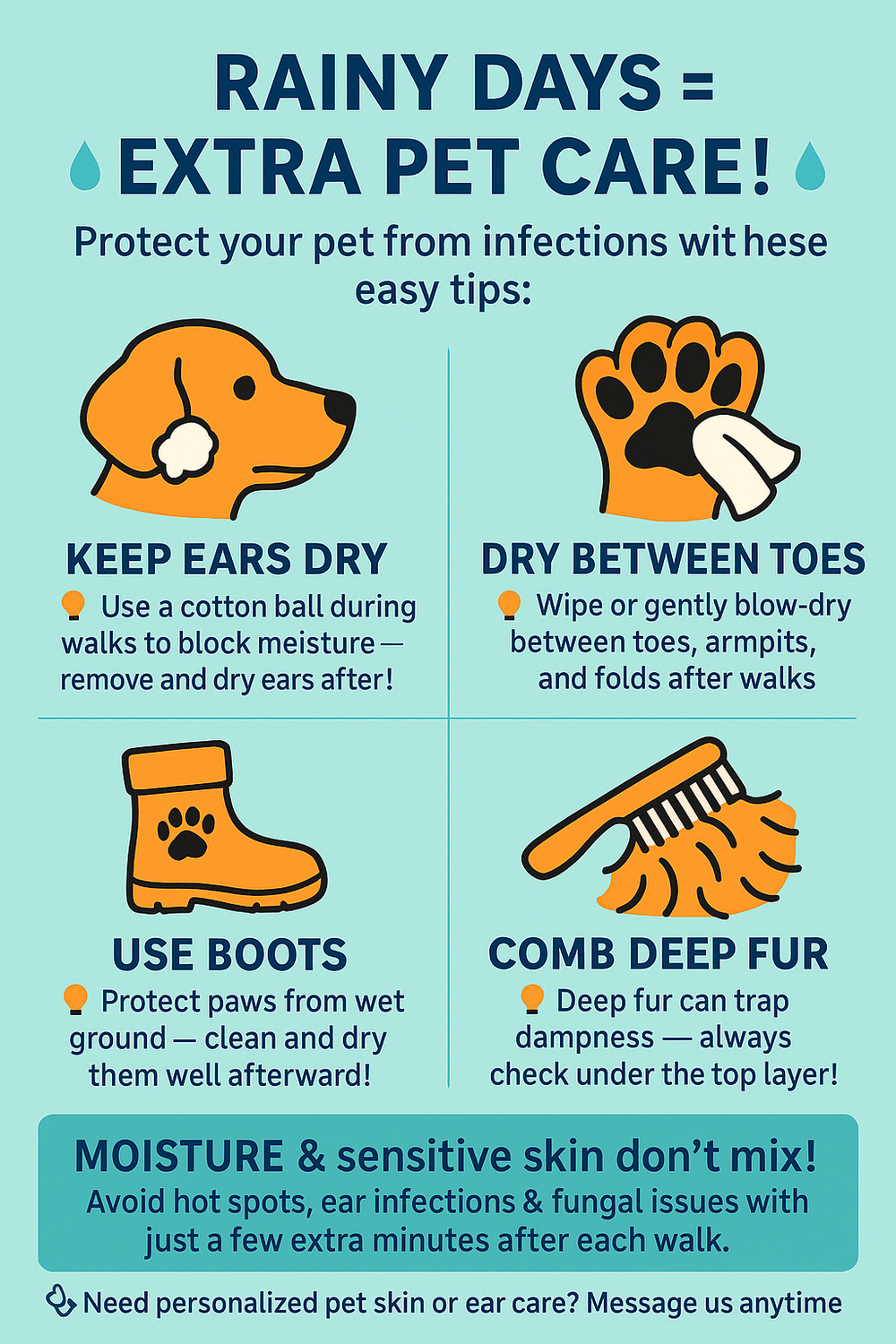
Moisture and sensitive skin don’t mix well.
Rainy walks can lead to skin irritation, ear infections, and painful hot spots — especially for pets prone to dermatitis or chronic otitis. Here's how to keep them safe and comfortable!

20. December 2024
If you got here, it's because you care as much for your pet as I know you do. I hope that was
educating and helpful in any way possible to you and your pet. Fear, anxiety, and stress in animals
can have profound effects on their behavior and health. By understanding the biological
underpinnings of stress, interpreting body language, and implementing strategies to reduce stress,
caregivers can enhance the quality of life for their animals.